
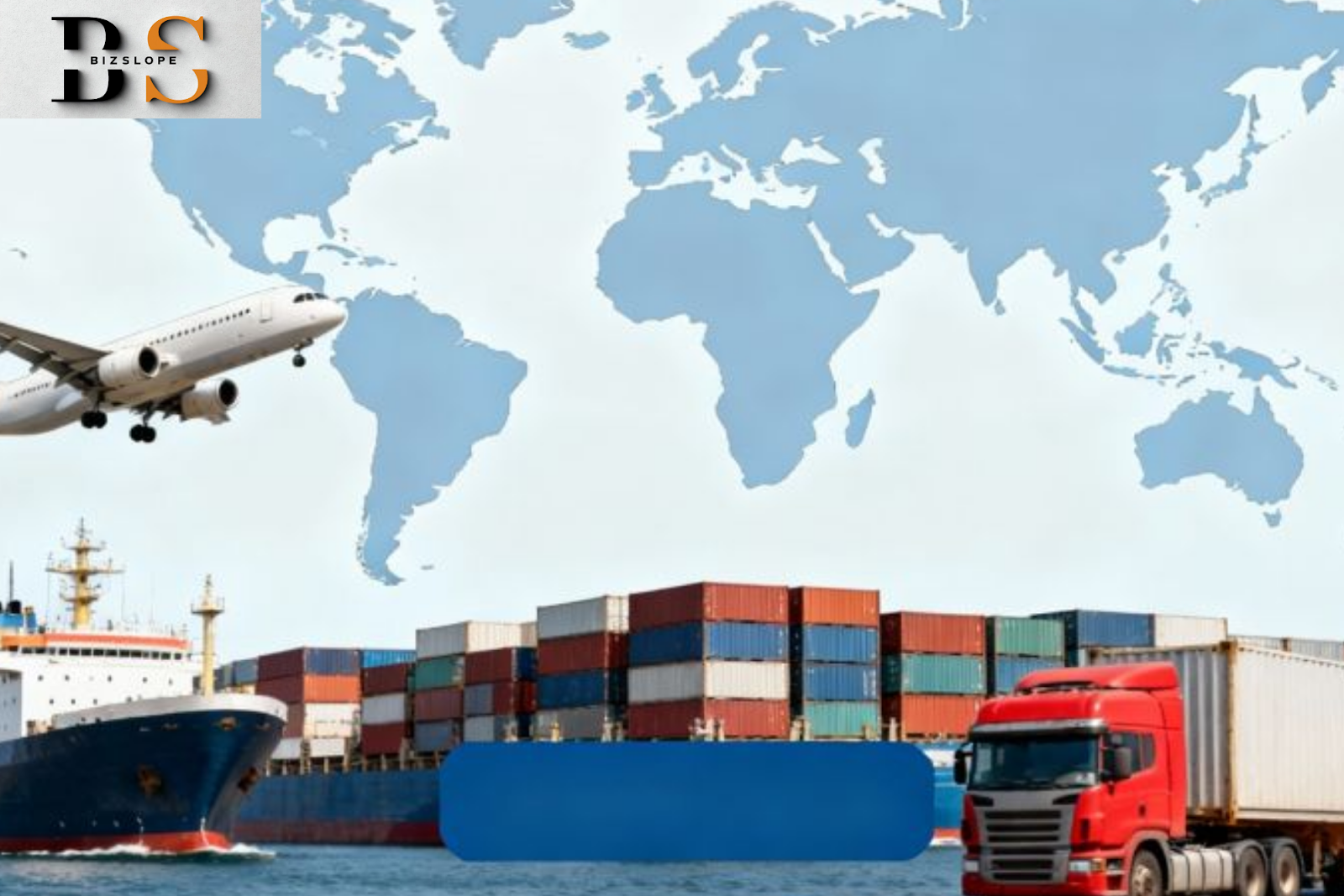
Cross-border trade is witnessing a strong resurgence as global economies continue to recover from the disruptions caused by the pandemic. Improved supply chain resilience, renewed consumer demand, and expanding digital trade platforms have contributed to increased trade flows between countries.
Revival of Global Supply Chains
Businesses have adapted to past disruptions by diversifying suppliers, improving logistics planning, and investing in digital supply chain technologies. These efforts have reduced bottlenecks and increased efficiency, enabling smoother cross-border movement of goods and services.
Manufacturers and exporters are increasingly relying on regional trade hubs and near-shoring strategies to reduce dependency on single markets while maintaining global reach.
Digital Trade Accelerates Growth
The rapid adoption of digital platforms has played a significant role in supporting post-pandemic trade growth. E-commerce, digital payments, and cross-border fintech solutions have simplified international transactions, allowing small and medium-sized enterprises to participate more actively in global markets.
Trade facilitation tools, including automated customs processes and digital documentation, have further reduced costs and turnaround times.
Policy Support and Trade Agreements
Governments have introduced policy reforms and renewed trade agreements to stimulate international commerce. Reduced tariffs, streamlined customs regulations, and enhanced regional cooperation have encouraged exporters and importers to re-enter global markets with greater confidence.
Analysts note that strategic partnerships and free trade agreements are helping stabilize trade flows amid ongoing geopolitical and economic uncertainty.
Regional Trends
Asia and the Middle East have seen significant growth in cross-border trade, driven by manufacturing expansion, infrastructure investment, and increased consumer demand. Europe and North America have also recorded steady improvements, particularly in technology, pharmaceuticals, and energy-related trade.
Outlook Ahead
While challenges such as geopolitical tensions, regulatory differences, and inflationary pressures remain, experts expect cross-border trade to continue expanding. Businesses that invest in digital capabilities, compliance readiness, and diversified trade networks are likely to benefit most from the evolving global trade environment.