

Lessons from First-Time Founders
1. Start with a Real Problem First-time founders often learn that great ideas are rooted in real customer pain points. Understanding the problem deeply before building a solution increases the…
1. Start with a Real Problem First-time founders often learn that great ideas are rooted in real customer pain points. Understanding the problem deeply before building a solution increases the…
1. Defining Core Values Early Culture begins with clarity. Founders must clearly define the values that guide decision-making, collaboration, and accountability. When values are lived—not just written—they become the foundation…

Scaling a startup is an exciting phase, but it is also where many businesses fail due to poor financial discipline. Growth without control can quickly strain cash flow, dilute focus,…
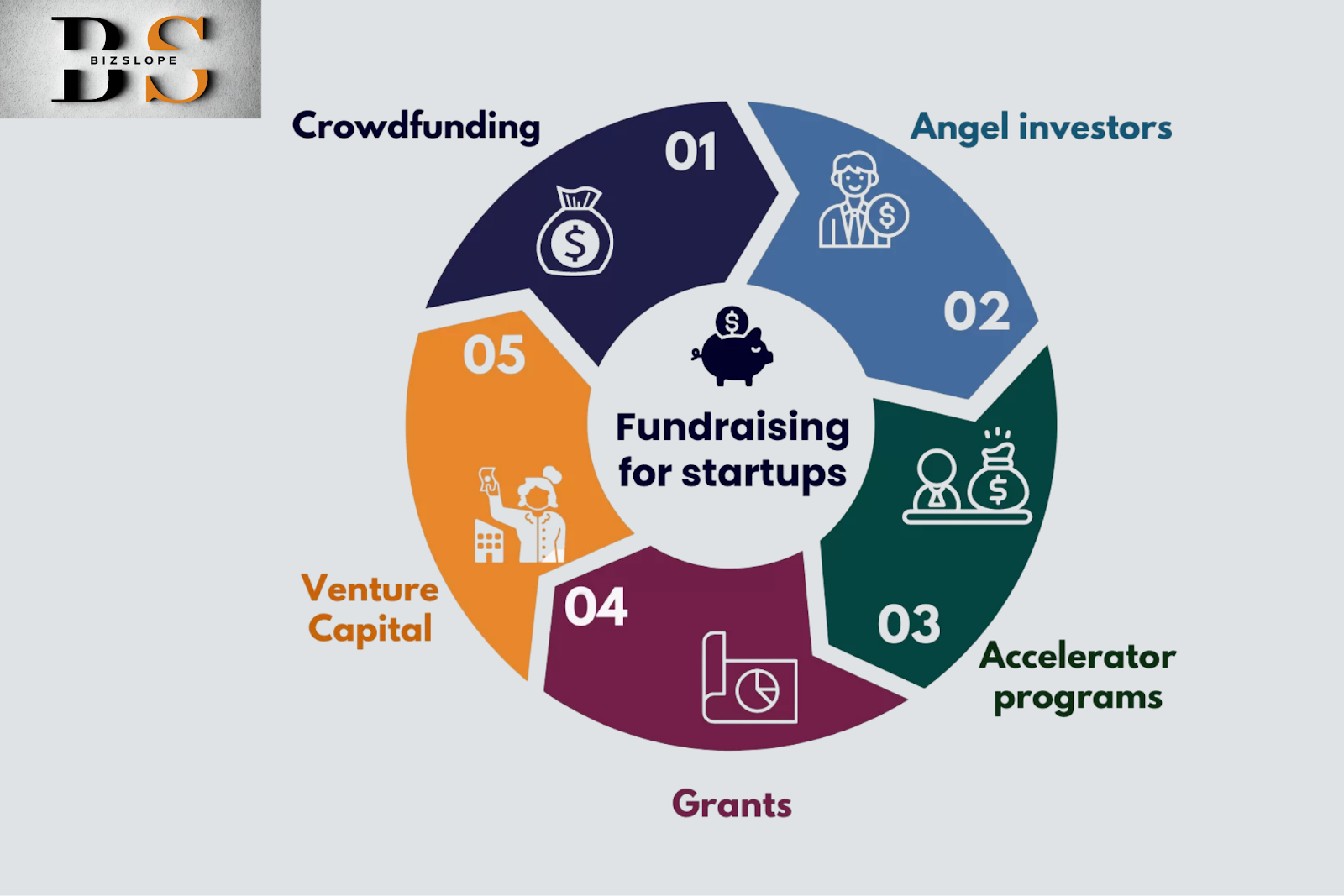
1. Preparing Before Raising Capital Successful fundraising begins long before meeting investors. Founders focus on refining their business model, validating traction, and building a compelling value proposition. Clear metrics—revenue growth,…

Attracting early customers is one of the most critical challenges for any startup. Before brand recognition and large marketing budgets, startups must rely on creativity, trust-building, and sharp execution. Early…

1. Driving Digital Transformation Tech startups accelerate digital adoption by introducing cloud-based platforms, automation, and data-driven tools. Their ability to move quickly allows businesses to modernize operations, improve efficiency, and…

1. Overcoming Access-to-Capital Challenges One of the most persistent barriers for women-led startups is limited access to funding. In response, many women founders have adopted creative funding strategies—bootstrapping, strategic partnerships,…

1. Solving Real, Local Problems Startups in emerging markets focus on addressing practical challenges such as access to finance, healthcare, education, logistics, and connectivity. Instead of replicating global models, founders…
1. Reframing Challenges as Feedback Challenges often highlight gaps in strategy, processes, or execution. Instead of viewing obstacles as failures, growth-oriented leaders treat them as feedback. Each setback provides insight…

Failure is often seen as a setback, but for founders, early failures are some of the most powerful learning experiences. Many successful entrepreneurs credit their early missteps for shaping better…