
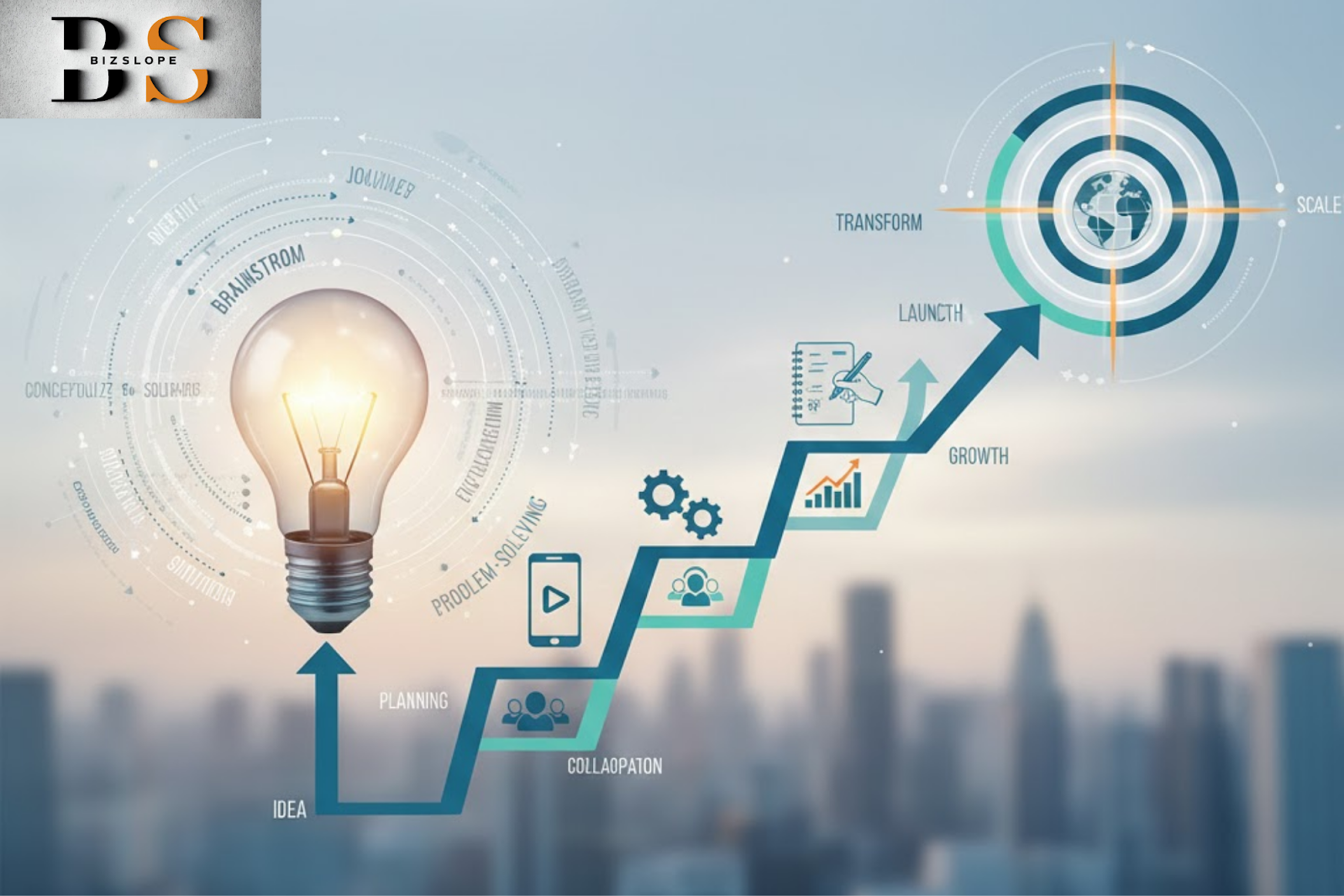
Every successful startup begins with a simple idea—often born from a problem that needs solving. The journey from that initial idea to creating real-world impact is challenging, unpredictable, and deeply rewarding. While no two startup journeys are identical, most follow a series of essential stages that shape their growth and long-term success.
1. Identifying the Right Problem
The foundation of any impactful startup is a real, meaningful problem. Successful founders focus on understanding customer pain points rather than rushing to build solutions. This phase involves market research, customer interviews, and validating whether the problem is significant enough to warrant a business.
2. Shaping the Idea into a Viable Solution
Once the problem is clear, the idea evolves into a solution. At this stage, founders define their value proposition—what makes their offering unique and why customers should care. Simplicity is key; early solutions should focus on core features that directly address the problem.
3. Building the Minimum Viable Product (MVP)
An MVP allows startups to test their concept with minimal resources. Instead of aiming for perfection, founders release a functional product to gather feedback, learn from users, and refine the offering. This iterative approach reduces risk and helps align the product with market needs.
4. Finding Product-Market Fit
Achieving product-market fit is a turning point in the startup journey. It occurs when customers clearly see value in the product and demand begins to grow organically. Startups that reach this stage focus heavily on customer feedback, retention, and continuous improvement.
5. Scaling with Strategy
With product-market fit established, the focus shifts to growth. Scaling involves expanding the team, improving operations, strengthening marketing efforts, and investing in technology. Strategic scaling ensures growth is sustainable rather than rushed, preventing operational breakdowns.
6. Overcoming Challenges and Setbacks
Every startup faces obstacles—funding constraints, competition, regulatory hurdles, or internal challenges. Resilient founders view setbacks as learning opportunities. Adaptability, strong leadership, and clear communication play a critical role in navigating uncertain phases.
7. Creating Long-Term Impact
True startup success goes beyond revenue. Impact-driven startups contribute to industries, communities, and economies by creating jobs, improving lives, and driving innovation. At this stage, founders focus on purpose, culture, and long-term vision while maintaining profitability.
8. Evolving into a Sustainable Business
As startups mature, systems, governance, and leadership structures become essential. Building a strong organizational culture and maintaining customer trust help transform a startup into a lasting, respected enterprise.
Conclusion
The journey from idea to impact is not linear—it’s a cycle of learning, adapting, and growing. Startups that succeed are those that stay customer-focused, embrace change, and lead with purpose. While the path is challenging, the ability to turn a simple idea into meaningful impact is what makes the startup journey truly transformative.