
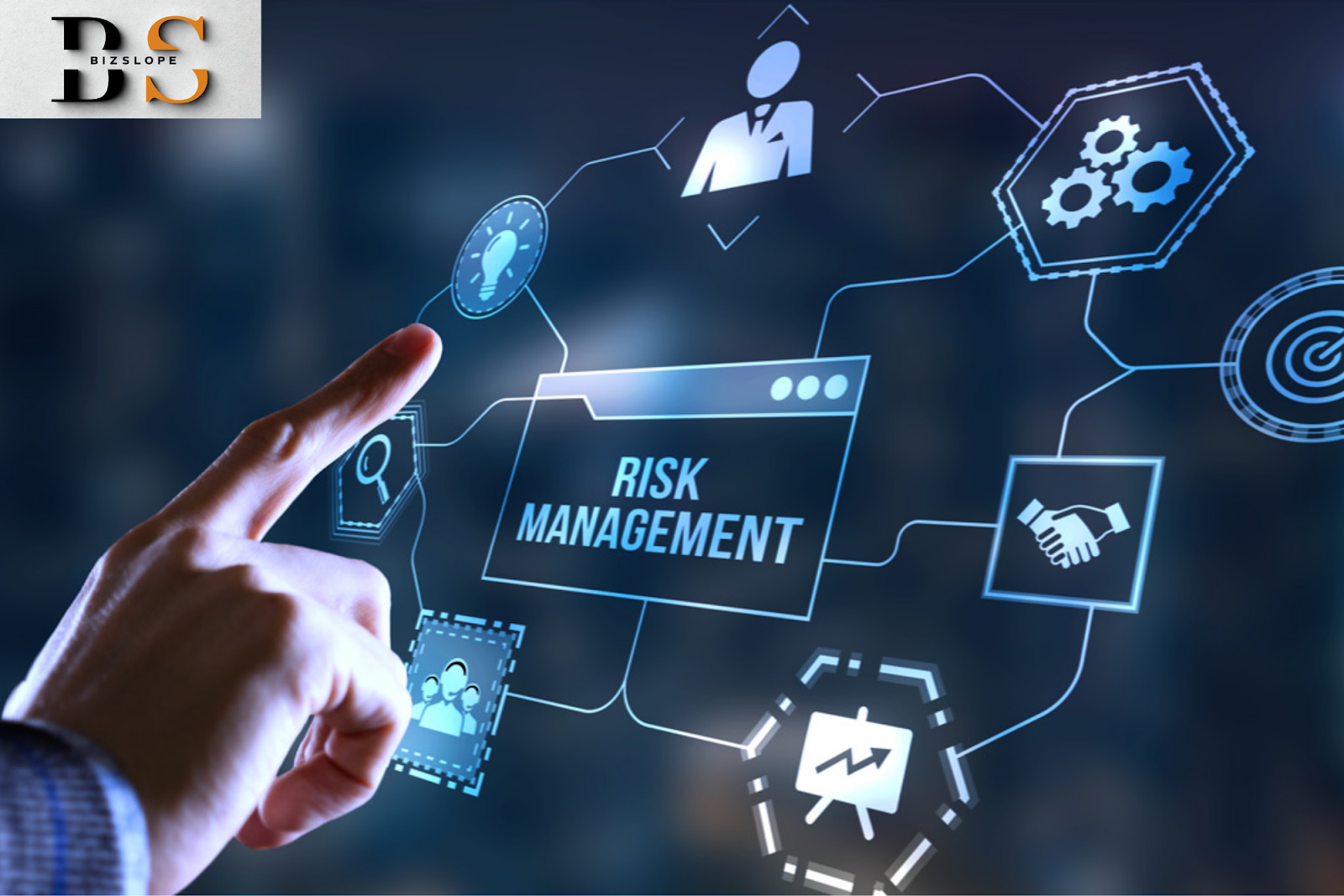
Risk is an inevitable part of running a business. From financial uncertainty and operational disruptions to regulatory and cybersecurity threats, effective risk management helps organizations protect value, ensure continuity, and support sustainable growth.
1. Identifying Key Business Risks
The first step in risk management is identifying potential risks. These may include financial, operational, strategic, legal, technological, and reputational risks. Regular risk assessments help businesses stay prepared.
2. Assessing Risk Impact and Probability
Not all risks carry the same weight. Businesses should evaluate both the likelihood and potential impact of each risk to prioritize resources effectively.
3. Diversifying Revenue and Operations
Diversification reduces dependency on a single market, customer, or supplier. Expanding revenue streams and operational flexibility helps mitigate external shocks.
4. Strengthening Financial Controls
Strong financial management—including cash flow monitoring, budgeting, and internal controls—reduces exposure to financial risks and improves resilience.
5. Implementing Business Continuity Planning
Business continuity and disaster recovery plans ensure operations can continue during crises. These plans should be tested and updated regularly.
6. Leveraging Technology and Cybersecurity
As businesses become more digital, cybersecurity is critical. Investing in secure systems, employee training, and data protection minimizes technology-related risks.
7. Ensuring Regulatory Compliance
Staying compliant with laws and regulations reduces legal and reputational risks. Regular audits and compliance monitoring are essential.
8. Building a Risk-Aware Culture
Risk management is most effective when embedded in organizational culture. Encouraging transparency, accountability, and proactive reporting strengthens risk readiness.
Conclusion
Effective risk management enables businesses to navigate uncertainty with confidence. By identifying risks early, planning strategically, and fostering a risk-aware culture, organizations can protect operations and seize opportunities even in challenging environments.