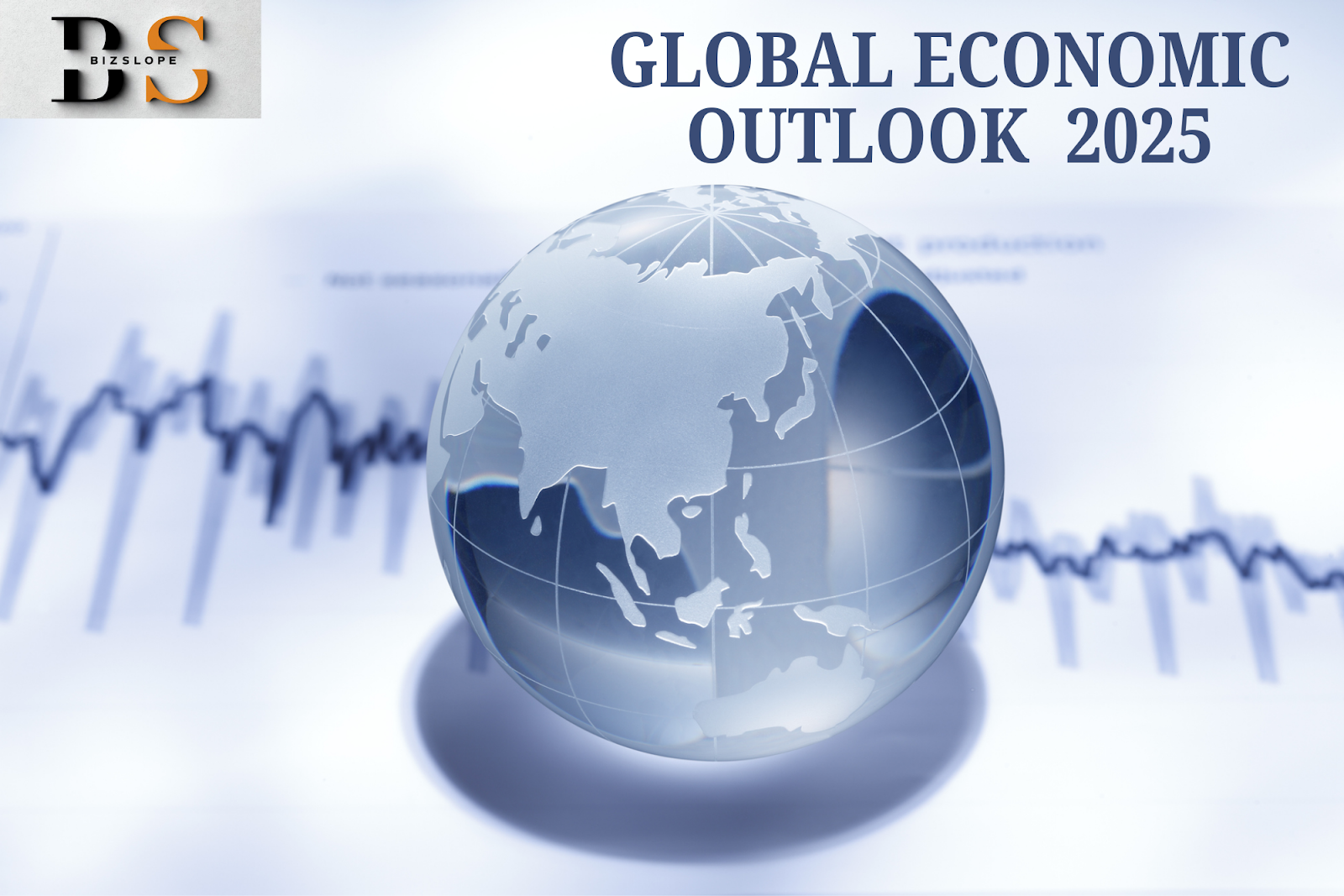
As the world moves into 2025, the global economy stands at a critical crossroads. After years of disruption caused by inflation, geopolitical tensions, and shifting monetary policies, economies are adjusting to a new phase of stabilization mixed with cautious growth. The outlook for 2025 is shaped by resilience, realignment, and regional divergence.
1. Moderating Growth with Regional Differences
Global economic growth in 2025 is expected to remain moderate. Advanced economies are likely to see slower but stable growth, while emerging markets continue to drive global expansion due to rising consumption, digital adoption, and infrastructure investment.
2. Inflation Under Better Control
Inflationary pressures that dominated recent years are easing in many regions. Central banks are expected to maintain cautious monetary policies, balancing interest rate stability with the need to support growth and investment.
3. Shifting Monetary and Fiscal Policies
Governments and central banks are transitioning from aggressive tightening toward more balanced policy approaches. Fiscal discipline, targeted spending, and gradual easing of interest rates may support economic recovery without reigniting inflation.
4. Technology and Digital Economy as Growth Drivers
Technology remains a major engine of global growth. Artificial intelligence, automation, cloud computing, and digital finance are improving productivity and opening new economic opportunities across industries.
5. Emerging Markets Gaining Momentum
Emerging economies are expected to outperform developed markets in 2025. Young populations, expanding middle classes, and increased foreign investment position these regions as key contributors to global economic growth.
6. Global Trade and Supply Chain Realignment
Trade patterns are evolving as companies diversify supply chains and adopt nearshoring strategies. While globalization continues, it is becoming more regional and resilient rather than purely cost-driven.
7. Energy Transition and Sustainability Impact
The global push toward renewable energy and sustainability is influencing investment flows and policy decisions. Clean energy, green finance, and ESG-focused initiatives are expected to play a larger role in economic planning.
8. Geopolitical and Risk Factors
Geopolitical tensions, regulatory changes, and climate-related risks remain key uncertainties. Economies that invest in resilience, diversification, and strategic planning will be better positioned to manage volatility.
Conclusion
The global economic outlook for 2025 reflects cautious optimism. While challenges persist, opportunities exist for economies and businesses that adapt to changing conditions, invest in innovation, and prioritize long-term resilience. Success in 2025 will depend on strategic agility, financial discipline, and global collaboration.